Commercial Moves in Removalservices
Commercial moving support for local businesses

If you are planning Commercial Moves in Removalservices, you are likely looking for a team that can keep disruption low, protect your equipment, and help your business get back to work as quickly as possible. A commercial relocation is very different from a household move. There are more moving parts, more people to coordinate, and often tighter deadlines. Whether you are moving a small office, a retail unit, a clinic, a workshop, or a multi-room business premises, the process needs careful planning and a practical, experienced approach.
Local businesses in and around Removalservices often work from buildings with shared entrances, stair access, limited parking, narrow roads, loading restrictions, or busy surrounding streets. That means every move needs to be handled with attention to access, timing, and the type of property involved. A local removal team can help you avoid common delays by understanding the area, arranging the right vehicle size, and preparing the move around your building’s conditions.
Commercial relocations are about more than lifting boxes. They involve protecting furniture, safely transporting IT and archive materials, keeping essential items organised, and making sure staff can settle into the new workplace with less stress. If you need removal services for a business move, the right team can make the whole process feel more manageable from the first enquiry to the final delivery.
Why businesses choose a local removal team
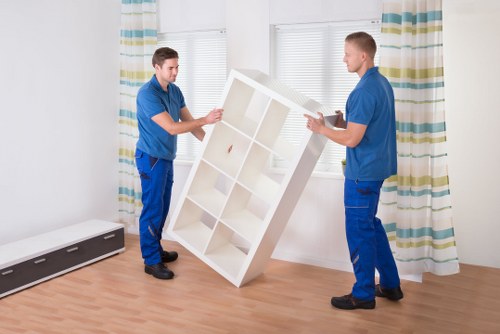
When companies need business removals in Removalservices, local knowledge matters. A local crew is usually better placed to handle access issues, parking limitations, and loading times that can affect a commercial move. This is especially helpful in mixed-use areas where offices sit above shops, industrial units share courtyards, or town-centre properties require careful vehicle positioning.
Using a nearby team also helps with timing. Commercial moves often need to happen early, late, or over a weekend to reduce downtime. A local provider can usually respond more flexibly and coordinate around your business schedule. That can be especially useful for companies that cannot afford to pause operations for long periods.
Many customers searching for Removalservices want a service that feels organised, practical, and straightforward. They are often moving because they have outgrown their current premises, are merging teams, are relocating to a better site, or need a new workspace that supports growth. Whatever the reason, choosing a team that understands local commercial property types can make the move more efficient and less disruptive.
What commercial moves can include

Commercial moves can vary a great deal from one business to another. Some customers only need help with furniture and a few desks, while others need a full office relocation involving filing systems, technology, stock, shelving, and specialist equipment. A good removal service should be able to adapt to the scale and complexity of your move.
Typical commercial moving services may include:
- Office furniture dismantling and reassembly
- Desk, chair, filing cabinet, and meeting room furniture removal
- Safe transport of computers, monitors, printers, and office equipment
- Boxed document and archive relocation
- Retail stock and display unit moving
- Workshop, light industrial, and storage unit relocations
- Premises clearance of surplus items before or after the move
- Delivery and placement of items into the correct rooms or zones
For many businesses, the most helpful part of the service is not just the transport itself, but the organisation around it. Good planning helps keep items grouped by department or floor, which makes unpacking much simpler at the new site. If you are moving within Removalservices or to nearby areas, this kind of structure can save valuable time.
How a commercial move usually works
The process for business removals is typically more detailed than a standard home move. The aim is to reduce interruption, protect the workplace, and ensure that the new premises are ready for staff as soon as possible. Although each project is different, most commercial moves follow a clear sequence.
1. Initial discussion – You explain what needs moving, the size of the premises, the destination, access conditions, and any time restrictions. This is the stage where details like lift access, floor levels, loading bays, and parking restrictions are important.
2. Planning the move – The removal team helps structure the job around your business needs. This may include choosing a suitable day, planning vehicle access, identifying fragile items, and deciding how packing and labelling should be handled.
Step-by-step support on moving day

3. Packing and protection – Depending on the service you choose, the team may supply packing materials or assist with wrapping, boxing, and securing equipment. Office furniture may be protected with covers and padding, while delicate items receive extra care.
4. Loading and transport – Items are loaded in a logical order, often with priority items separated so they can be delivered first. This helps businesses get key functions running again sooner after arrival.
5. Delivery and placement – At the new premises, items are placed in the correct rooms, departments, or work areas. If desks or furniture need reassembly, that can often be arranged as part of the move.
For local customers, this process is especially useful when moving between office buildings, shared workspaces, retail units, or industrial units in and around Removalservices. Each property brings its own challenges, and a structured process helps reduce stress from the start.
Commercial property types we commonly help with
Business customers in Removalservices often need relocation support for a wide mix of property types. The right approach depends on building access, floor layout, and what kind of items need moving. Below are some of the more common commercial settings that benefit from professional removal services.
- Offices – from small local offices to multi-room administrative spaces
- Retail shops – including stock movement, shelving, counters, and display items
- Clinics and professional practices – where privacy, care, and organised handling matter
- Workshops – where tools and equipment may be heavy, awkward, or stored across multiple zones
- Warehouses and storage units – often involving pallet-style loads, stock rotation, or archive items
- Hospitality premises – such as cafés, bars, and small venues relocating furniture and fixtures
- Shared business spaces – where timing and access need to be carefully coordinated
Some buildings in and around Removalservices may have older stairwells, tight corridors, or limited space for loading. Others may be modern but have strict delivery windows. A local moving team can adjust to these conditions and help keep the move practical rather than stressful.
What makes commercial removals different from domestic moves?

It can be tempting to think of a commercial move as simply a larger version of a house move, but in reality the priorities are quite different. The main concern for businesses is usually continuity. You need to move equipment, files, stock, and furnishings without losing track of essential items or stopping work longer than necessary.
Commercial moves also tend to involve more coordination between departments, staff members, landlords, building managers, and delivery schedules. Some businesses need specific work to happen outside office hours, while others need a phased move so the company can keep operating during the transition. This is where a professional removal service can be especially useful.
Another big difference is organisation. A domestic move is often personal and flexible, but a business move depends on precise planning. Items must often be labelled clearly, priority assets separated, and workstations set up in a predictable order. Good planning helps the move feel controlled rather than chaotic.
Preparing your business for the move
Preparation is one of the most important parts of a successful commercial relocation. The more organised your team is before move day, the smoother the process will be. Even if you are hiring professional removal services, there are practical steps your business can take in advance to save time and reduce confusion.
Useful preparation steps include:
- Decide which items are moving and which are being discarded, recycled, or stored.
- Assign a move coordinator or main point of contact within your business.
- Label boxes, workstations, and equipment by department or destination room.
- Back up digital data and prepare IT equipment carefully.
- Notify staff about timings, responsibilities, and access arrangements.
- Measure doorways, lifts, corridors, and stair access at both properties.
- Check whether parking or loading bays need to be reserved in advance.
It can also help to create a list of must-have items that need to be available first at the new premises. For example, essential computers, phones, tills, or key office files may need priority handling. This type of planning is especially valuable for commercial moves in Removalservices where businesses want to resume operations quickly after the relocation.
A practical packing checklist for businesses
Packing for a business move should be structured and easy to follow. If different departments are involved, it helps to keep the packing process simple and consistent so items do not get mixed up.
Commercial move packing checklist:
- Clearly label each box with department, room, or workstation number
- Use strong boxes for files and office supplies
- Wrap fragile items such as glass, monitors, and display pieces
- Keep cables, chargers, and accessories together with the correct equipment
- Separate confidential documents so they are handled appropriately
- Remove personal items from desks and drawers in advance
- Photograph complex setups before dismantling, if helpful
Tip: if your business uses specialist equipment or delicate electronics, let the removal team know early. This allows them to plan the right handling method and vehicle layout, which can reduce the risk of damage during transport.
What affects the cost of a commercial move?
Many customers want to know what influences the overall cost of a commercial relocation. While exact pricing depends on the details of the job, there are several common factors that help shape the quote. Being clear about these early on makes it easier to receive an accurate estimate and avoid last-minute surprises.
Pricing factors often include:
- The size of the business premises and the amount of furniture or equipment to move
- How many floors are involved and whether lift access is available
- Distance between the old and new premises
- Any packing, dismantling, or reassembly needs
- Whether the move must happen outside standard working hours
- Access restrictions, parking limitations, or longer carrying distances
- Special handling requirements for fragile, heavy, or high-value items
For example, a small office relocation within Removalservices may be fairly straightforward, while a larger move involving several departments, archive storage, and equipment protection may need more time and planning. The more accurate the initial details, the more useful the quote will be.
Why careful planning saves business time
Commercial removals can become expensive in a different way if they are not planned well. Delays can affect staff time, customer service, trading hours, and operations. That is why many businesses prefer a local service that understands how to schedule work sensibly and keep the job moving.
A well-organised move can help:
- Reduce downtime for staff
- Keep equipment and documents easier to track
- Limit the number of trips needed
- Improve safety when moving awkward or heavy items
- Make the new workspace usable sooner
In short, a thoughtful move is usually a more efficient move. That is one of the main reasons businesses in Removalservices choose a professional team rather than trying to manage everything on their own.
Why businesses appreciate a local company
There are several reasons why local business customers often prefer a removal company that works regularly in and around Removalservices. One of the biggest advantages is familiarity with nearby routes and building layouts. A team that already understands the area is more likely to anticipate bottlenecks, delivery restrictions, and the practical issues that come with urban, suburban, or mixed commercial environments.
Local teams are also often better positioned for follow-up support. If your move is happening in stages, or if you need additional delivery runs for archive boxes, surplus furniture, or equipment, a nearby crew can usually adapt more easily. This can be valuable for businesses moving out of offices in town centres, business parks, high-street units, or converted commercial buildings.
Another benefit is communication. When you work with a local removal service, it can be easier to arrange site visits, discuss access issues, and make adjustments before the move date. For busy companies, that practical responsiveness can make all the difference.
How to decide if your move needs specialist support
Not every commercial relocation is identical, and some are much more complex than others. If your move includes heavy furniture, sensitive files, expensive equipment, or tight deadlines, specialist support can save time and reduce the pressure on your staff.
You may especially benefit from professional help if:
- Your business has to keep operating during the move
- You are moving from or into a property with difficult access
- There are several departments to coordinate
- Furniture needs dismantling and rebuilding
- There are valuable or fragile items to protect
- The move must be completed outside normal business hours
For customers searching for commercial removals in Removalservices, these are the kinds of details that usually matter most. The aim is to keep the business running while the relocation happens with as little disruption as possible.
Areas covered and nearby locations
Businesses looking for Removalservices often need a team that can work not only in the immediate area, but also in nearby neighbourhoods and surrounding commercial zones. Typical coverage may include town centres, suburban business districts, industrial estates, retail parades, office parks, and mixed-use developments in the local region.
Nearby areas can be especially relevant when a move takes place between different parts of the same city or district. A local provider may be able to assist with relocations involving:
- Nearby office blocks and business parks
- Retail units in local shopping areas
- Industrial or trade premises on the outskirts of town
- Shared workspaces and serviced offices
- Satellite offices and branch relocations
If your business is based near busy streets, school areas, residential roads, or restricted loading zones, it is worth discussing that early. The route and parking plan can have a major impact on how smoothly the move goes.
Frequently asked questions
Q: Can commercial moves be arranged outside office hours?
Yes, many business customers prefer evenings, early mornings, or weekends so staff disruption is kept to a minimum. This is often discussed during the planning stage.
Q: Do you help with dismantling desks and office furniture?
Often, yes. Many commercial removal services include dismantling and reassembly of items such as desks, meeting tables, and storage units, depending on the job.
Q: What if my building has limited parking or no loading bay?
That is common in some parts of Removalservices. A local team can usually plan around access restrictions by choosing the right vehicle size and scheduling the move carefully.
More common customer questions
Q: Can you move archive boxes and confidential files?
Yes, business removals often include documents and archives. These should be packed and labelled carefully so they remain organised and easy to find at the new site.
Q: What should we do with old furniture or unwanted equipment?
You can separate items you do not want to take to the new premises. Depending on the service arrangement, surplus items may be cleared before or after the move.
Q: How far in advance should we book?
It is best to enquire as early as possible, especially if you need a fixed move date, weekend timing, or a larger team for a complex relocation.
Q: Can a move be done in stages?
Yes, phased commercial moves are often possible. This can be useful for larger workplaces or businesses that need to keep part of the operation running.
What to expect from a dependable commercial move service
When you book commercial moving help, you should expect clear communication, practical planning, and careful handling throughout. A dependable team will ask the right questions at the start so they can prepare for your property type, access arrangements, and item list. They should also help you understand what is included and what preparation is needed from your side.
Look for a service that can provide:
- Clear move planning and scheduling
- Careful handling of office and business equipment
- Efficient loading and unloading
- Support with furniture assembly or reassembly where needed
- Flexible timing to reduce business disruption
- Local knowledge of Removalservices and the surrounding area
These practical qualities matter more than flashy promises. Businesses want a move that is calm, organised, and handled by people who understand how commercial spaces work in real life.
How to request a quote
If you are preparing a business relocation and want to compare your options, the easiest next step is to request a free quote. When you enquire, include as much detail as possible about the premises, the amount of furniture or stock, access conditions, and your preferred moving date. If there are stairs, lifts, tight entrances, or parking concerns, mention those too.
Useful information to have ready:
- Current and new property type
- Approximate number of rooms or work areas
- Any heavy, fragile, or specialist items
- Whether packing help is needed
- Preferred move date or time window
- Any access restrictions at either location
Contact us today to discuss your move and arrange a suitable plan for your business. If you are looking for Commercial Moves in Removalservices, a local team can help you move with more confidence and less disruption.
Final thoughts for local business customers
A successful commercial relocation is one that protects your time, your equipment, and your day-to-day operations. That is why businesses in Removalservices often benefit from a removal service that is experienced, organised, and familiar with local property challenges. From office furniture and IT equipment to stock, archives, and specialist items, the right support can make the move far easier to manage.
Whether you are moving to a larger office, relocating a retail unit, shifting a workshop, or changing business premises for growth, the process should feel structured from the outset. A local team can help with planning, transport, loading, and delivery so your business can settle into its new space sooner.
Book your service now or request a free quote when you are ready to move forward. With the right preparation and the right commercial removals team, your next move in Removalservices can be handled in a practical, professional way.
Ready to get started?
Speak through your move details early, especially if you have access issues, a fixed deadline, or a larger workplace to relocate. The sooner the plan is in place, the smoother the move is likely to be.